Skip to content
Quote
Category Archive

Knife Knowledge

274 articles in this category

14 min read

Safe Knife Carry Guidance for OEM Products

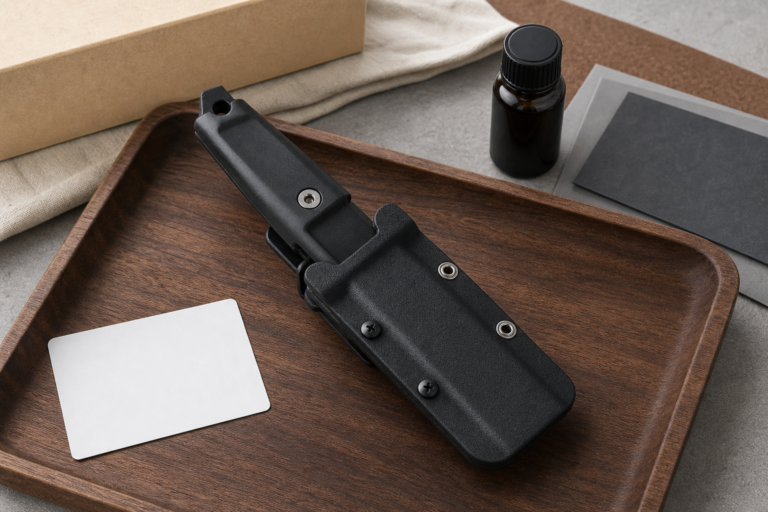
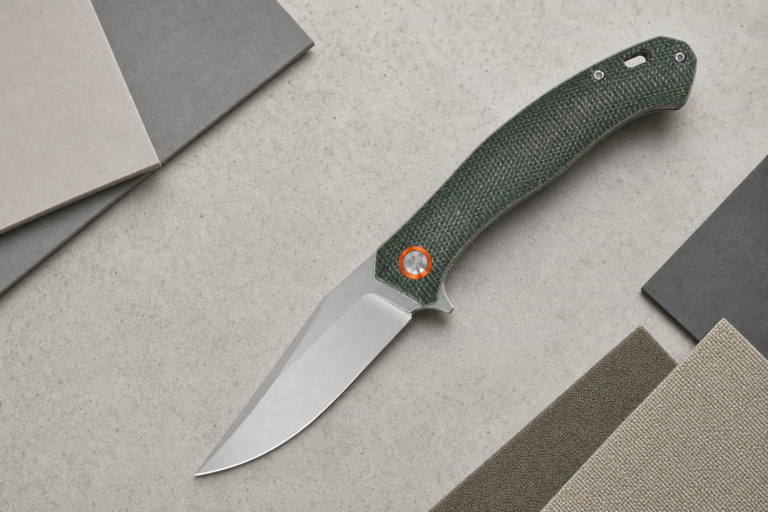
Knife carry guidance can help customers, but careless wording can create legal, safety, and channel problems. B2B buyers should build safe knife carry guidance around lawful use, secure storage, covered edges, closed mechanisms, sheath or clip retention, travel and workplace restrictions, user instructions, packaging warnings, and QC checks that prove the product stays controlled before […]

Read Article
15 min read

How Should Buyers Match Knife Blade Styles to Real OEM/ODM Use Cases?

A blade style guide is only useful when it helps a buyer make better product decisions. B2B buyers should evaluate blade styles by task, user, market, manufacturing tolerance, safety copy, and QC method. Drop point, straight back, clip point, trailing point, sheepsfoot, Wharncliffe, tanto, spear point, and hawkbill profiles all need different positioning and inspection […]

Read Article
16 min read

How Can B2B Buyers Manage Knife Forging Techniques and Processes in OEM/ODM Production?

Forging can sound premium, but a forged knife is only as good as the process control behind it. B2B buyers should manage knife forging by defining the blade use case, steel grade, forging route, heating control, forming process, normalization, heat treatment, straightening, grinding allowance, surface defect limits, hardness target, dimensional tolerances, and inspection records before […]

Read Article
15 min read

Responsible Survival Knife Use Cases for OEM Outdoor Lines

Survival knife sounds powerful, but unclear positioning creates risk. Buyers need practical outdoor use cases, not dramatic or unsafe claims. Buyers should define survival knife use cases around responsible outdoor utility: camp food prep, cord cutting, repair tasks, light wood processing, emergency kit support, safe storage, maintenance, and packaging guidance. They should avoid self-defense, combat, […]

Read Article
16 min read

Knife Handling Safety Guide for OEM Knife Products

Knife handling mistakes are not only user problems. They often begin with unclear product design, weak packaging, and missing instructions. Buyers should build knife handling safety guidance by defining the intended use, correct tool choice, opening and closing steps, grip and cutting direction, storage, sheath or clip behavior, maintenance limits, product copy, packaging warnings, and […]

Read Article
15 min read

What Should Buyers Learn From the History of Pocket Knives for OEM/ODM Projects?

Pocket knife history is not only nostalgia. It explains why users still care about portability, control, safety, repairability, and trust. Buyers should study pocket knife history to understand how folding tools evolved around portability, everyday utility, regional craft, safer carry, industrial repeatability, legal pressure, and changing user expectations. Those lessons can guide modern OEM/ODM design. […]

Read Article
16 min read

How Should Buyers Specify Knife Size and Weight for OEM/ODM Projects?

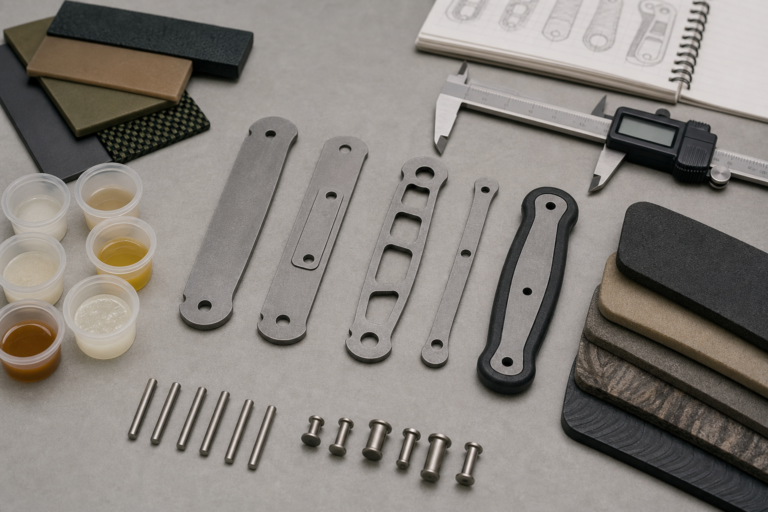
Knife size and weight look simple in a sample. In production, they affect comfort, cost, compliance, packaging, shipping, and repeat quality. Buyers should specify knife size and weight by defining target use, blade length, overall length, closed length, handle size, thickness, balance point, carry method, material choices, packaging limits, and inspection tolerances before sampling begins. […]

Read Article
14 min read

Hunting Knife Safe-Use Instructions for OEM Buyers

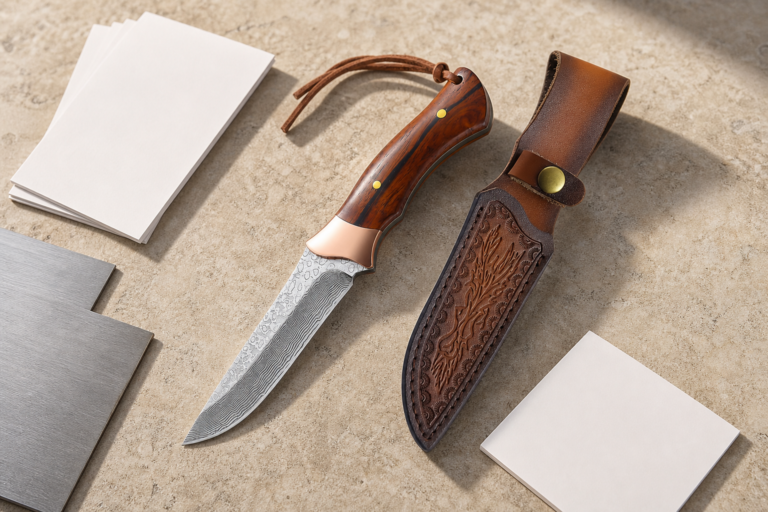
A hunting knife can be well made and still create user problems. Poor safety guidance, weak sheath design, and vague positioning can damage trust. Buyers should design hunting knife safe-use guidance by connecting blade shape, handle control, sheath security, edge maintenance, cleaning, packaging, warnings, and QC to responsible outdoor use. The goal is not to […]

Read Article

OEM / ODM Partner

Ready to start your custom knife project?