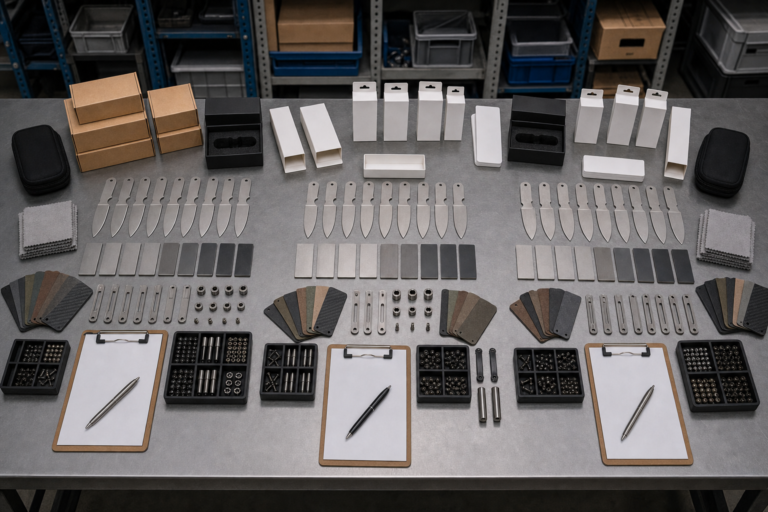
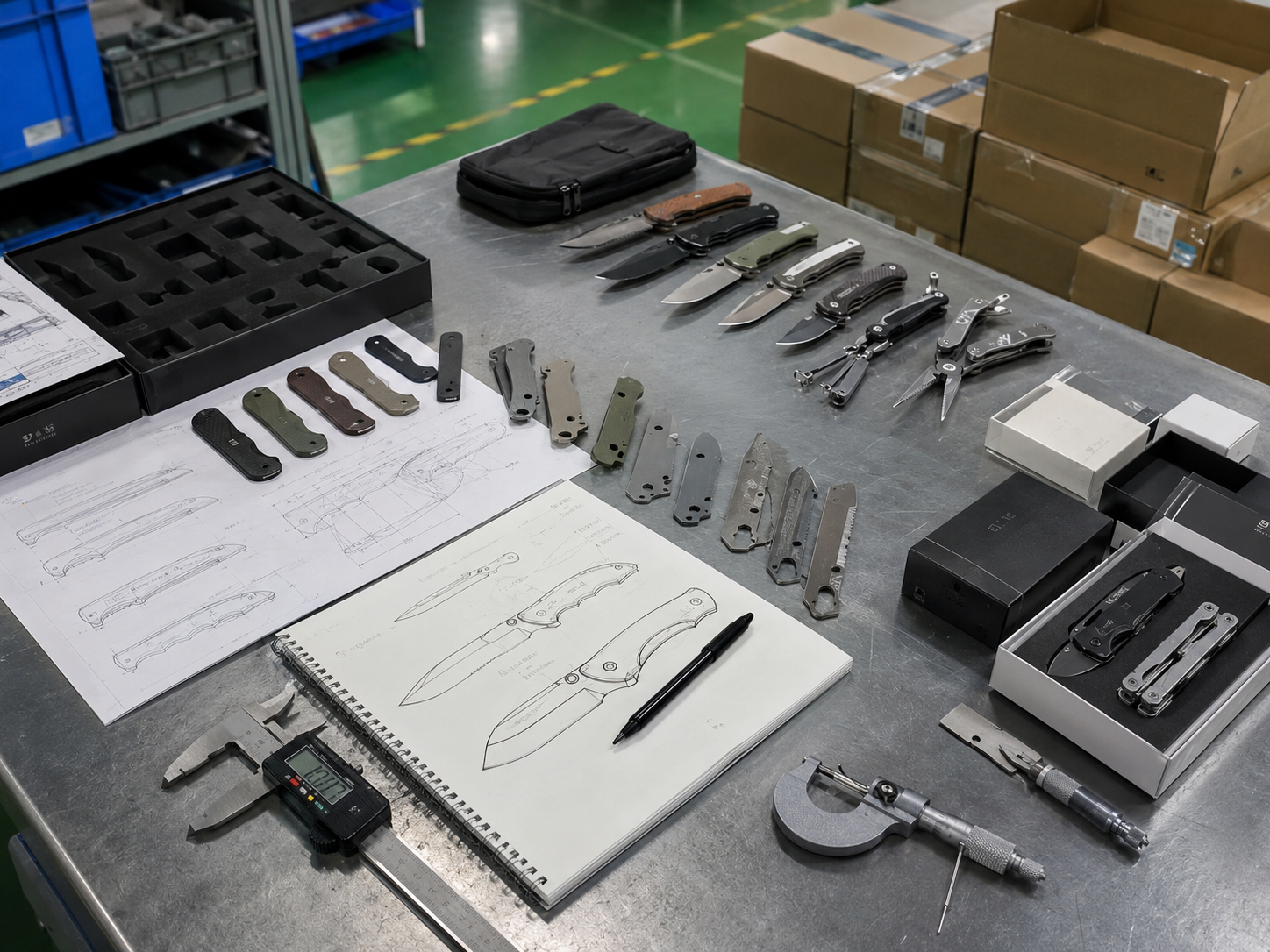
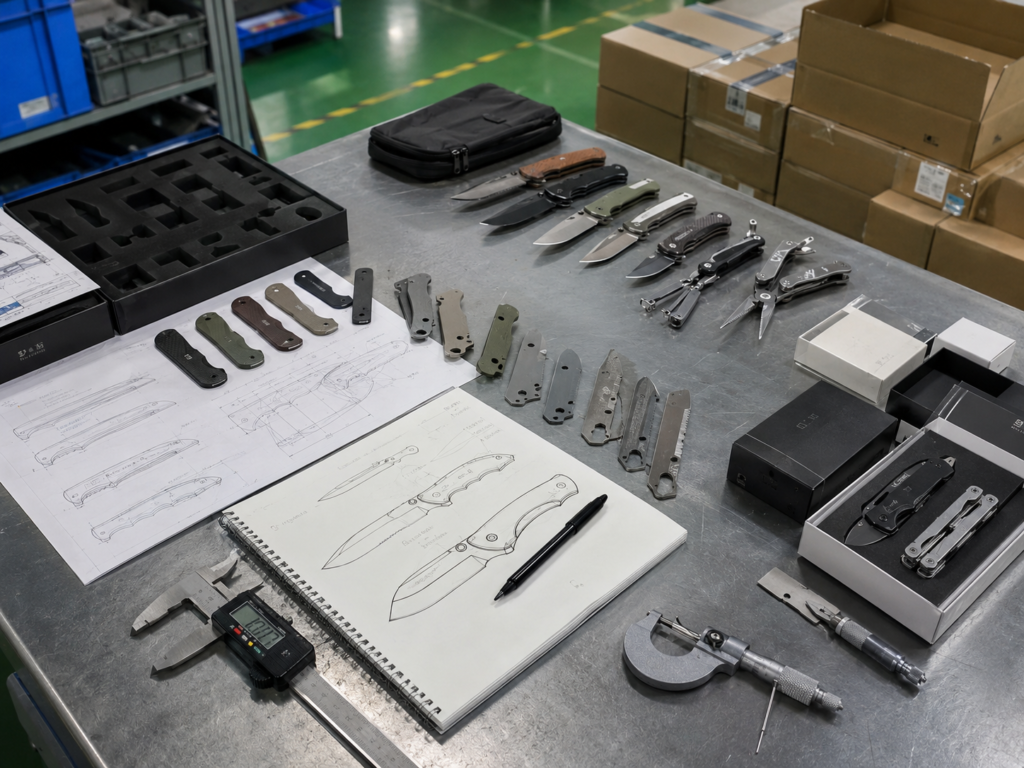
FOB orders can look simple. But weak packaging can create damage, delays, and extra cost after shipment. Good packaging planning prevents that.
Have a knife or multi-tool project in mind?
Send your sketch, CAD file, sample photo, or product idea. Vast State can review manufacturability, suggest materials, estimate MOQ, and prepare a quote for your OEM/ODM project.
Buyers should master FOB packaging by confirming retail packaging, inner protection, master cartons, pallet needs, carton marks, moisture control, inspection points, and shipping requirements before mass production. FOB defines trade responsibility, but packaging still protects the knife through the whole logistics chain.
When I work on OEM and ODM knife orders, I do not treat packaging as the last step. I treat it as part of the product. A knife can pass function inspection and still arrive with scratches, rust, crushed boxes, or wrong carton details. For B2B buyers, FOB packaging must connect product protection, brand presentation, export handling, and freight planning.
What Does FOB Packaging Mean in Knife Sourcing?
Many buyers use FOB as a price term. But they still need to define packaging clearly before production starts.
FOB packaging means the export-ready packaging plan used for an FOB knife order, including product protection, retail packaging, master cartons, marks, pallet needs, and loading preparation.
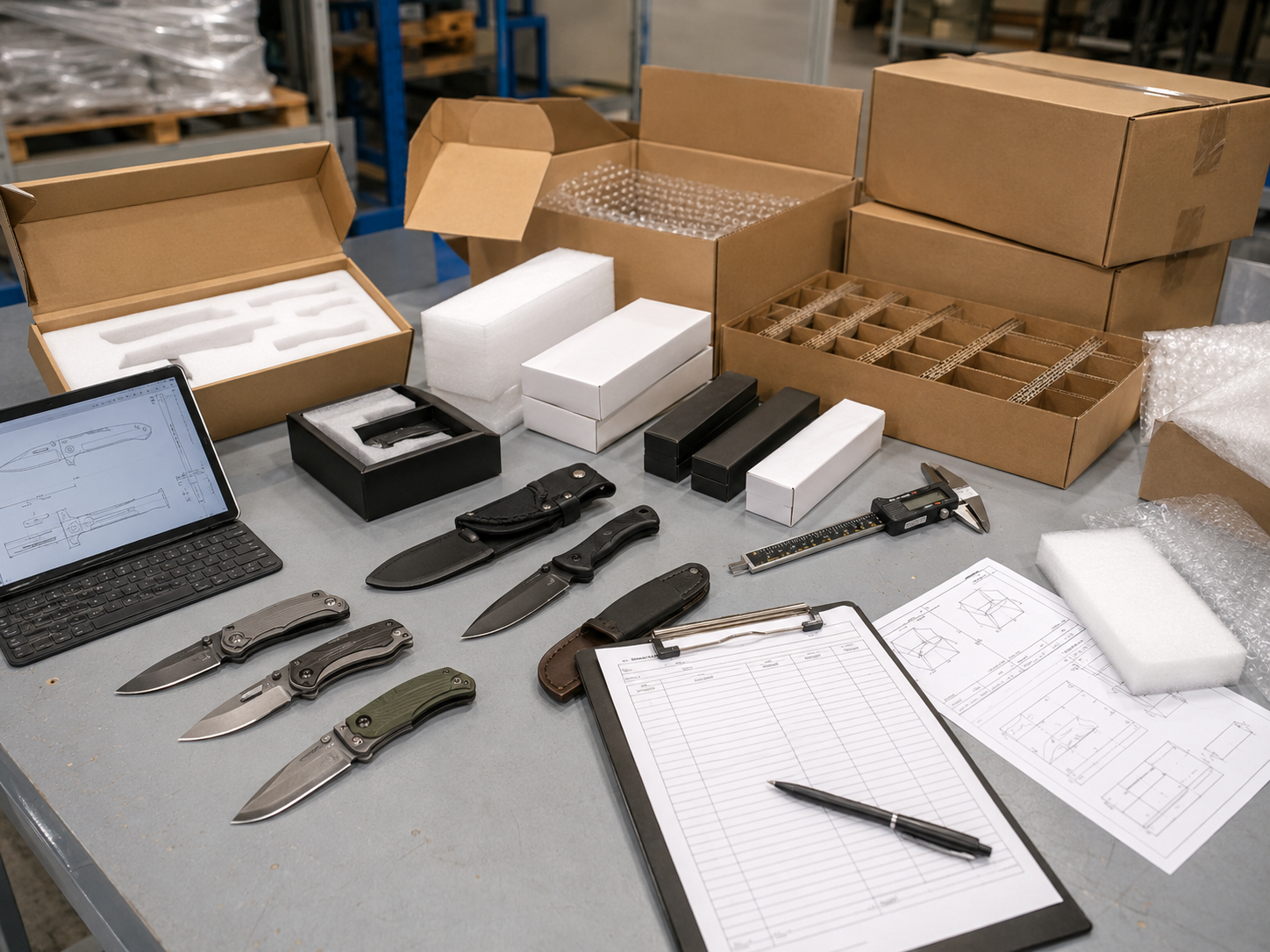
I Separate the Trade Term From the Packaging Standard
FOB is a trade term, not a packaging specification. The ICC Incoterms rules help define tasks, costs, and risks between buyer and seller. In FOB, the seller usually delivers the goods loaded on board the buyer-nominated vessel at the named port. But this does not automatically tell the factory what box, carton, insert, label, or pallet style to use.
That is why I ask packaging questions early. Does the buyer need a simple white box, color box, blister card, nylon pouch, kraft box, or gift box? Does the product need oil paper, foam insert, EVA tray, plastic bag, desiccant, tip protection, or sheath protection? Does the forwarder need carton dimensions before booking?
For knives and outdoor tools, packaging must do two jobs. It must protect the product during handling. It must also support the buyer’s brand and sales channel. If the order is FOB, the buyer may arrange the main freight, but the factory still needs to prepare goods in a way that can survive export movement.
| FOB packaging item | What I confirm | Why it matters |
|---|---|---|
| Retail package | Box, pouch, blister, card, insert | It affects brand presentation |
| Inner protection | Bag, foam, tray, desiccant, oil paper | It prevents scratches and rust |
| Master carton | Size, weight, strength, packing quantity | It affects handling and freight |
| Carton marks | Buyer-required marks and item details | It supports warehouse receiving |
OEM/ODM RFQ Checklist
Prepare these details to help Vast State review your project and provide a more accurate quotation.
| RFQ Field | What to Prepare |
|---|---|
| Project type | OEM from drawing / ODM private label / wholesale catalog |
| Product category | Folding knife / fixed blade / multi-tool / outdoor tool |
| Design status | Idea / sketch / 2D drawing / 3D CAD / physical sample |
| Target price | Ex-factory target price or retail price range |
| MOQ expectation | 500 / 1,000 / 3,000 / 5,000+ pcs |
| Logo method | Laser engraving / etching / printing / molded logo |
| Packaging | Standard packaging / custom retail box / Amazon-ready |
| Market | USA / EU / Japan / Korea / Middle East / other |
| Compliance needs | Buyer-specified testing / documentation / labeling |
| Timeline | Sample deadline / mass production deadline |
How Should Product Protection Be Designed for Knives and Tools?
Knife packaging cannot be treated like normal light goods. Sharp parts, metal surfaces, and finishes need special protection.
Knife product protection should prevent blade movement, tip damage, surface scratches, rust, handle rubbing, loose accessories, and packaging collapse during transport.
I Protect the Knife Before I Protect the Box
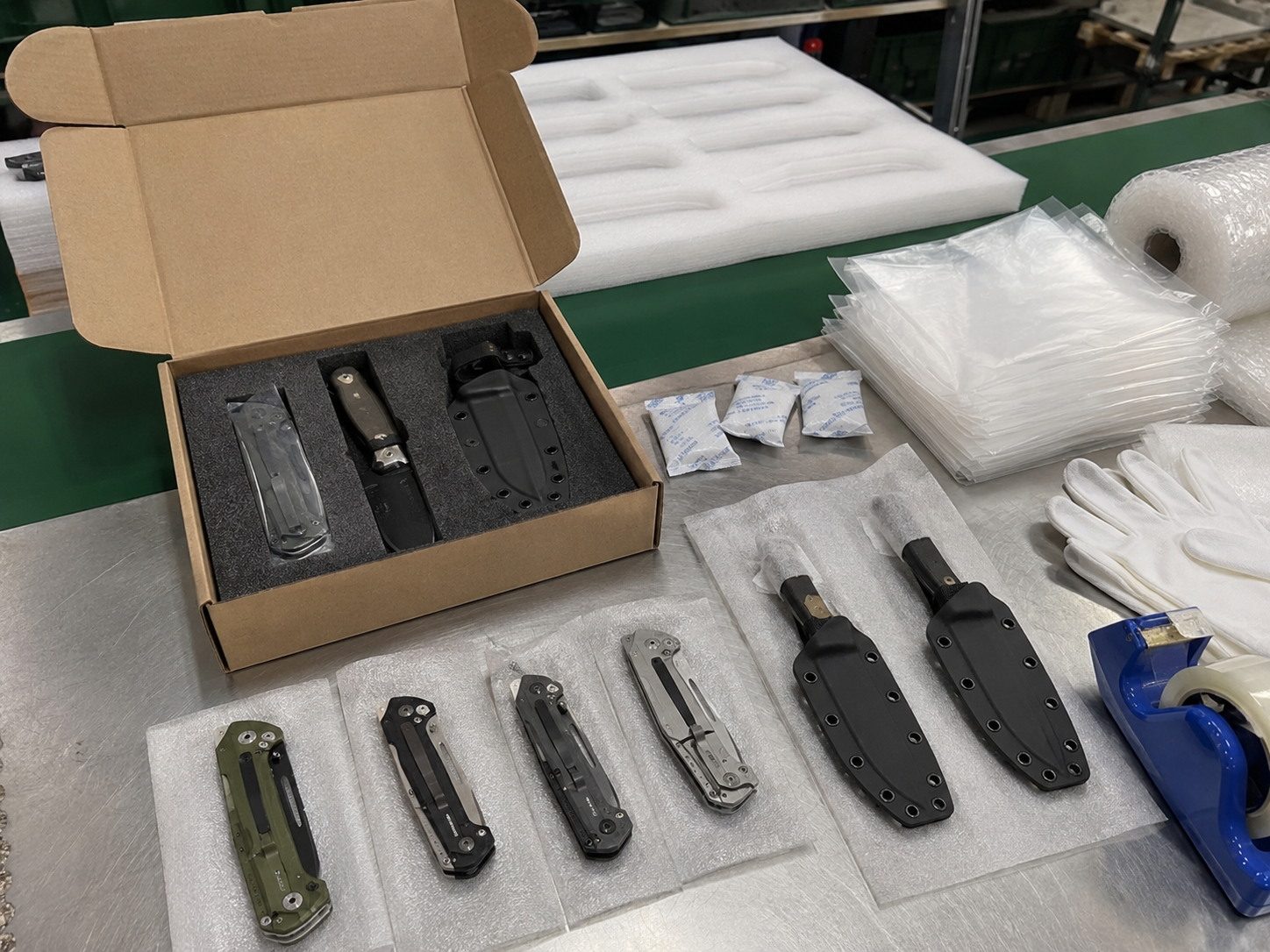
The first packaging question is not the carton. It is the knife itself. A folding knife should stay closed and stable inside the package. A fixed blade knife should have safe sheath protection. A multi-tool should not rub against accessories or inner packaging. If metal touches metal during shipping, scratches can appear before the buyer opens the carton.
I also think about moisture. Sea freight can expose goods to changing temperature and humidity. Stainless steel is more corrosion resistant than many steels, but it still needs proper handling. Carbon steel, coated blades, screws, and liners need more care. A desiccant pack, clean surface, suitable oil protection, and dry packing environment can reduce risk.
The packaging style should match the product level. A budget utility knife may only need simple protection. A premium private label knife may need a better insert and cleaner retail presentation. I usually suggest protection based on the knife’s finish, handle material, blade steel, and sales channel.
| Protection area | Common risk | Practical packaging control |
|---|---|---|
| Blade and tip | Scratches, edge damage, tip impact | Stable insert and safe closed position |
| Surface finish | Rubbing marks or stains | Sleeve, film, paper, or separated tray |
| Moisture | Rust or spots | Dry packing, desiccant, clean handling |
| Accessories | Missing or loose parts | Separate bag or fixed compartment |
How Do Retail Boxes and Master Cartons Affect FOB Cost?
A packaging design may look good but still hurt freight cost. Carton size, weight, and quantity affect the buyer’s landed cost.
Retail boxes and master cartons affect FOB cost because they change unit volume, carton weight, pallet use, container loading, and warehouse handling efficiency.
I Check Packaging Against Freight Reality
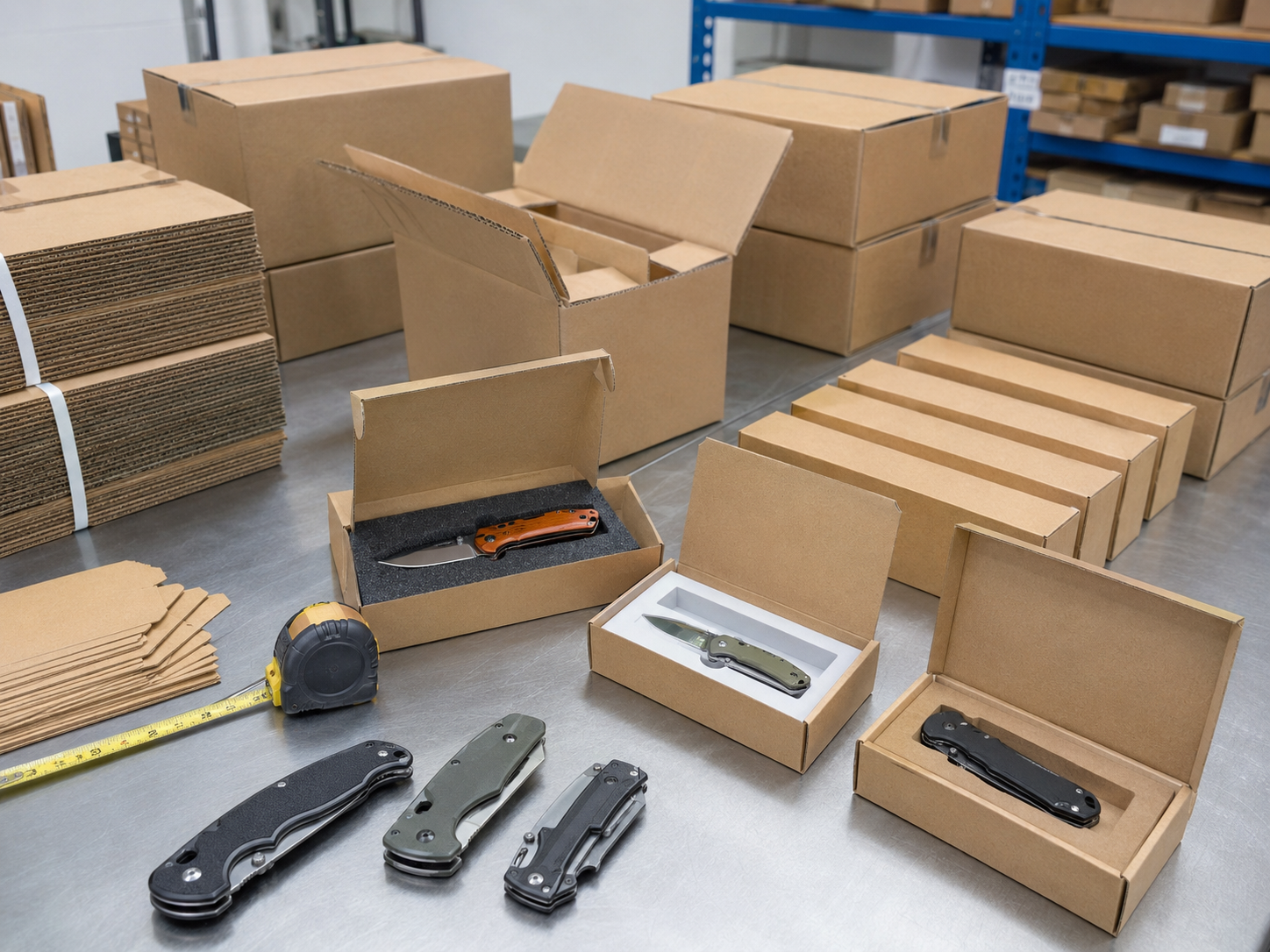
Packaging is not only about appearance. It also affects freight. A box that is too large can increase CBM. A weak carton can collapse. A carton that is too heavy can be difficult to handle. A retail package that does not hold the knife firmly can create scratches during transport.
For FOB orders, buyers often ask for carton dimensions, gross weight, net weight, and packing quantity before shipment. These numbers help the buyer or forwarder plan booking, warehouse space, and landed cost. If the factory confirms them too late, the shipment plan may be delayed.
I prefer to confirm packaging structure before mass production. The retail box should match the product and brand level. The master carton should match the carton weight and export handling. The packing quantity should balance freight efficiency and damage risk. Sometimes a slightly stronger carton is worth the small extra cost because it reduces damage and sorting work later.
| Packaging layer | What it controls | B2B impact |
|---|---|---|
| Retail box | Presentation and product holding | Brand feeling and shelf value |
| Inner carton | Group protection | Easier warehouse handling |
| Master carton | Export strength and quantity | Lower damage risk |
| Pallet or no pallet | Loading style and warehouse movement | Freight and receiving efficiency |
What Should Buyers Confirm About Carton Marks, Pallets, and Wood Packaging?
Small export details can create large delays. Wrong marks, noncompliant pallets, or unclear carton data can slow receiving and customs work.
Buyers should confirm carton marks, shipping marks, pallet material, wood packaging compliance, carton dimensions, weight, and loading method before shipment.
I Treat Export Packing as Part of Order Control
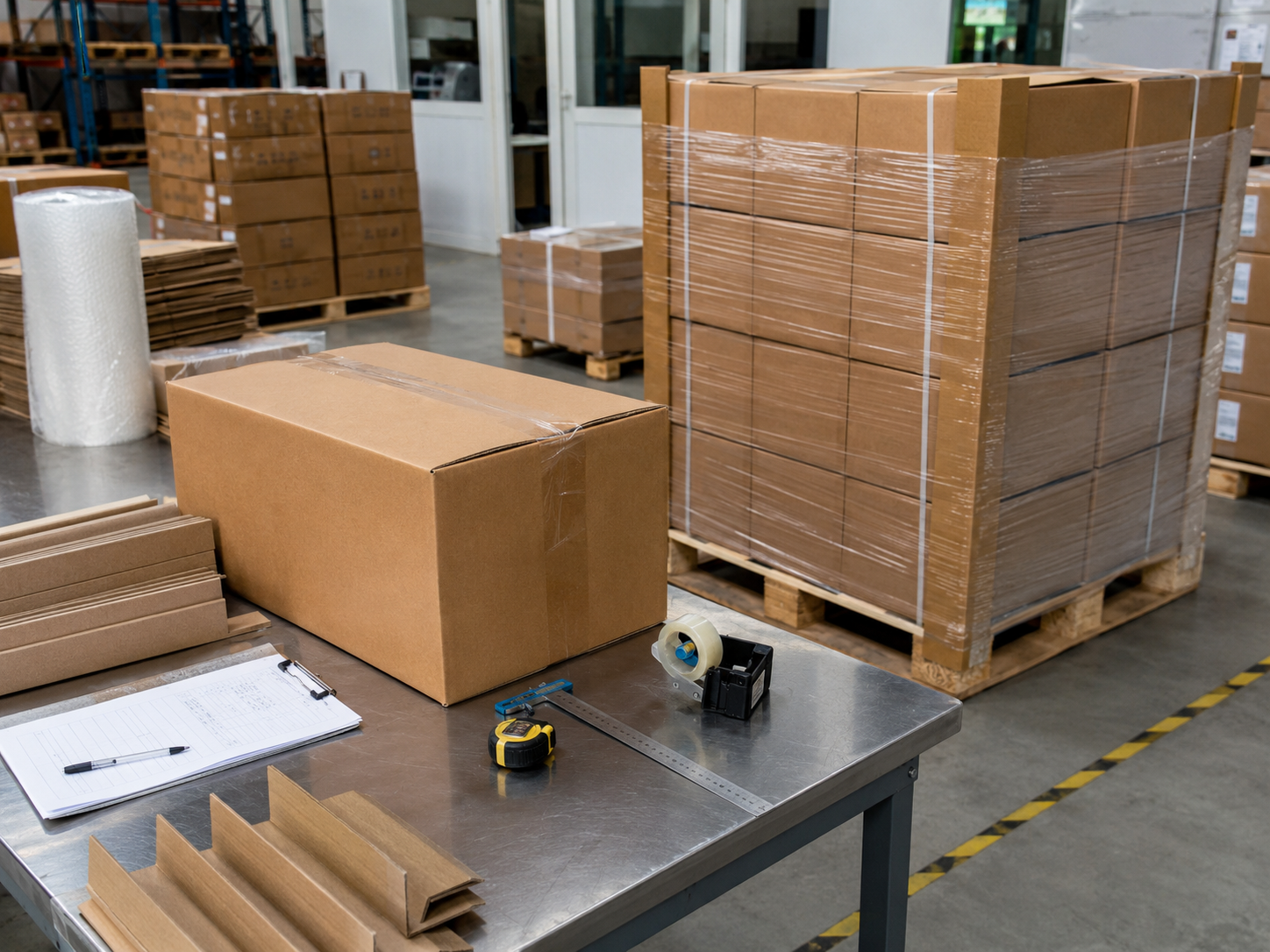
Carton marks are simple, but they must be correct. The buyer may need item number, quantity, carton number, destination, PO number, or barcode position. Some buyers need neutral cartons. Some need warehouse-specific marks. I always confirm this before printing or sealing cartons.
Pallet choice also matters. If wood pallets or wood crates are used, buyers should check the target market’s requirements. For the U.S. market, APHIS explains that regulated wood packaging material must meet ISPM 15 treatment and marking rules. APHIS also says importers should ensure WPM entering or transiting the United States is pest-free, debarked, treated, and marked with the ISPM 15 logo on its import WPM guidance.
Some buyers avoid wood packaging and choose plastic pallets, plywood, or other alternatives when suitable. This can reduce compliance concerns, but cost and loading strength still need review.
For FOB knife orders, carton and pallet details should be shared early with the buyer’s forwarder. This makes booking and warehouse planning smoother.
| Export detail | What I confirm | Risk if ignored |
|---|---|---|
| Carton marks | Buyer format and required information | Warehouse receiving confusion |
| Carton size | Length, width, height | Booking or storage mismatch |
| Carton weight | Gross and net weight | Handling or freight issue |
| Wood pallet | ISPM 15 requirement | Import delay or rejection risk |
How Should FOB Packaging Be Inspected Before Shipment?
Packaging problems are painful after goods leave the factory. Once cartons are shipped, small mistakes become expensive to fix.
FOB packaging should be inspected through approved packaging samples, carton drop checks, quantity checks, label checks, moisture control, and final packing photos.
I Inspect Packaging Like I Inspect the Product
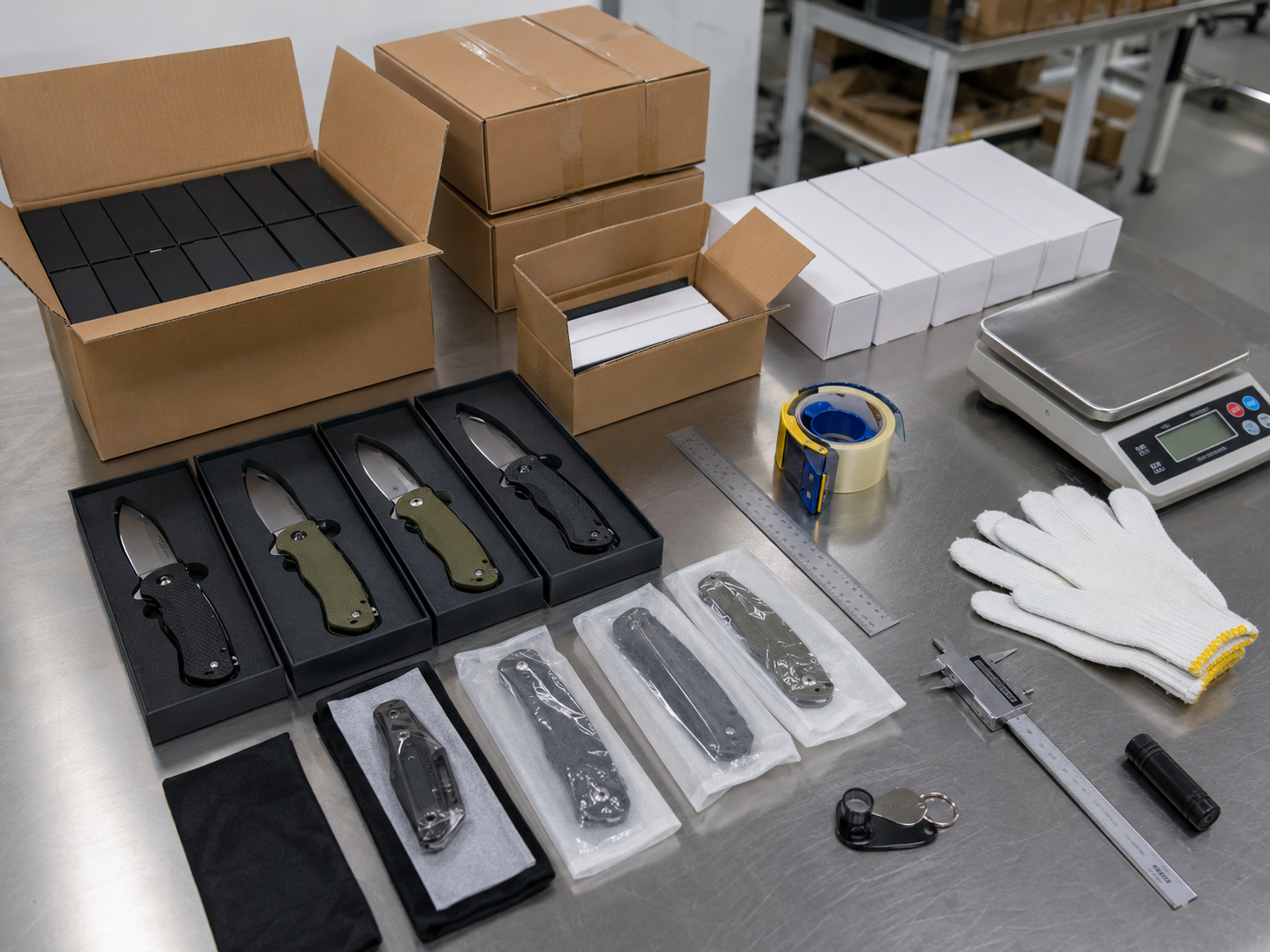
Before shipment, I check packaging against the approved sample. The retail box should match size, material, color, insert, and packing direction. The knife should not move too much inside the package. Accessories should be complete. The master carton should match the confirmed packing quantity and weight.
I also check carton sealing, carton strength, label position, and carton marks. If the buyer needs photos before shipment, I take photos of product packing, inner packing, master cartons, and pallet condition. This helps the buyer see the goods before they move to port.
For inspection planning, some buyers use sampling methods such as ISO 2859-1 sampling procedures. A factory quality system based on ISO 9001 quality management also helps because it focuses on stable process control and customer requirements.
For knives and tools, I also connect packaging inspection with product inspection. A sharp edge, special finish, wood handle, coated blade, or premium box may need extra protection. The packaging should fit the real product, not just the quotation.
| Inspection point | What I check | Why it matters |
|---|---|---|
| Approved package | Box, insert, bag, carton, mark | It prevents wrong packing |
| Product movement | Knife stability inside package | It prevents scratches |
| Carton condition | Strength, sealing, quantity | It protects export handling |
| Final photos | Packing and pallet condition | It gives buyer visibility |
How Can Buyers Reduce FOB Packaging Risk With Clear Communication?
Packaging risk often starts with unclear communication. Buyers and suppliers may assume different standards until it is too late.
Buyers can reduce FOB packaging risk by confirming packaging files, carton data, inspection standards, forwarder requirements, compliance needs, and shipment timing in writing.
I Make Packaging Decisions Visible Early
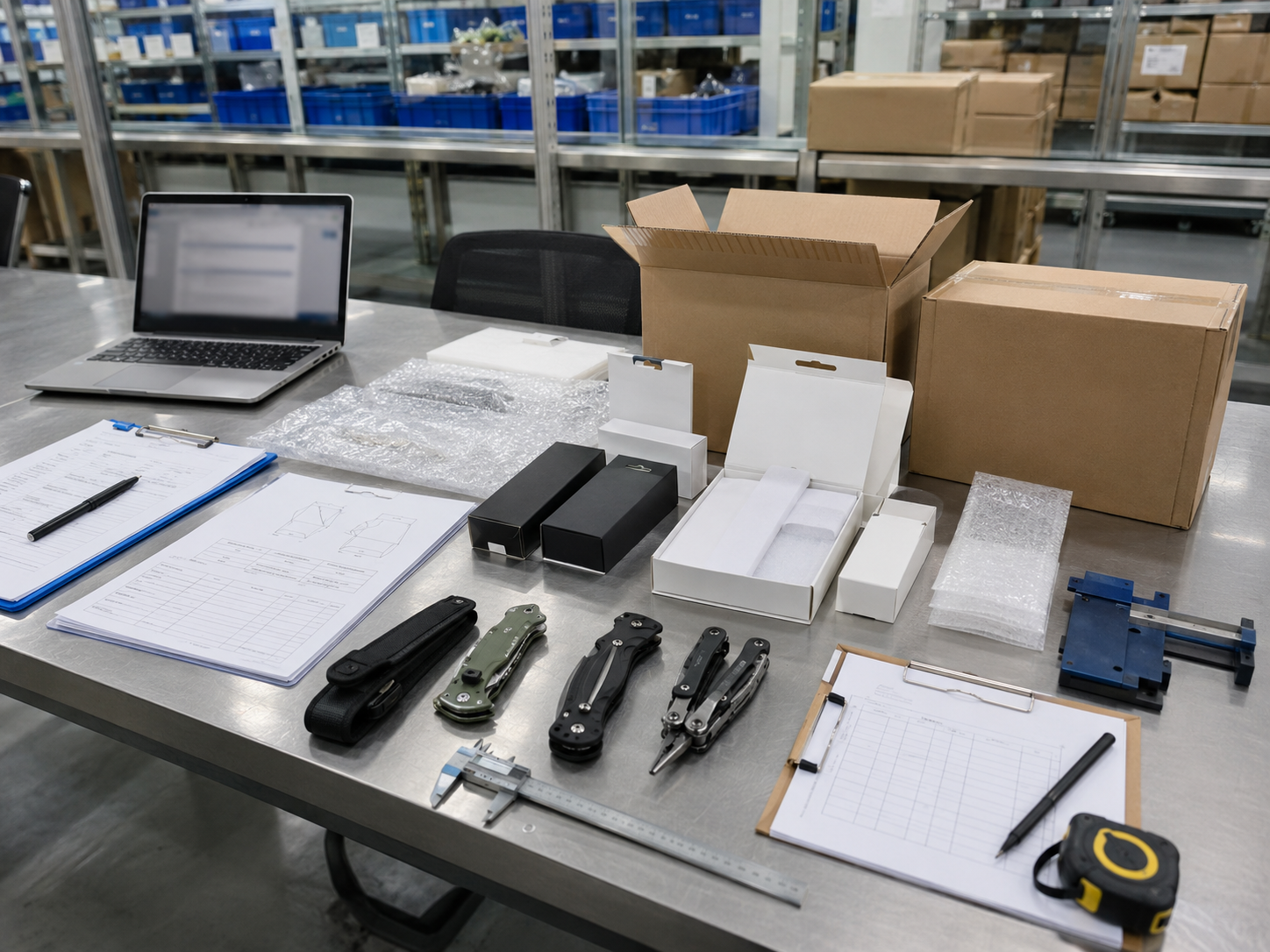
Good packaging communication should happen before bulk production. The buyer should confirm artwork, box style, insert material, carton size target, carton mark format, pallet requirement, and inspection standard. If the buyer has a forwarder, the forwarder should receive carton data early.
FOB also needs clear shipment coordination. The ICC Academy explains in its FOB guidance that buyers must provide vessel and loading information in time. I see this in real orders. If booking information arrives late, the factory may finish goods but wait for loading instructions.
Import compliance is also part of buyer-side planning. For example, U.S. importers can review CBP basic importing and exporting guidance. Buyers selling in Europe can review the European Commission’s page on product safety. Knife rules can vary by market, so I always suggest buyers confirm local requirements with their broker or compliance adviser.
For me, good FOB packaging is not only strong cartons. It is clear agreement before production and clear visibility before shipment.
| Communication item | Who should confirm it | Practical result |
|---|---|---|
| Packaging artwork | Buyer and supplier | Fewer printing mistakes |
| Carton data | Supplier and forwarder | Easier freight planning |
| Pallet requirement | Buyer, supplier, forwarder | Fewer loading surprises |
| Compliance needs | Buyer and broker | Lower import risk |
Turn your idea into a quote-ready knife project.
Share your drawing, sample photo, target quantity, market, and packaging needs. Vast State will review manufacturability and prepare OEM/ODM options.
Conclusion
I master FOB packaging by confirming protection, carton structure, marks, pallets, inspection, and shipment details before OEM/ODM knife orders leave the factory.